
64 Years On — A Reflection on Tanzania’s Independence: Achievements, Struggles and the Road Ahead
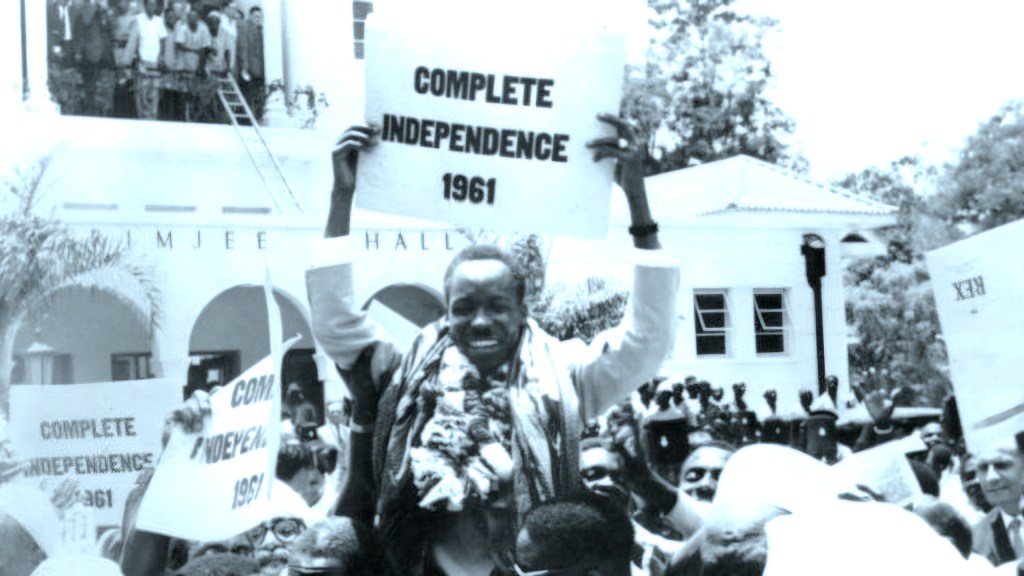
As Tanzania marks the 64th anniversary of its independence on December 9, we pause not just for celebration — lakini pia, for introspection. From the proud raising of the flag in 1961 to today’s heated streets and restless youth, the nation’s path reflects both remarkable progress and deep fractures. “Tunapigania kesho bora” — we fight for a better tomorrow — remains a fitting refrain.
✨ What Tanzania Has Achieved
Freedom and unity: On December 9, 1961, then-Tanganyika shook off colonial rule, later uniting with Zanzibar in 1964 to become modern Tanzania. The independence that many sacrificed for laid the foundation for a sovereign, self-determined nation.
National identity and pride: Over decades, Tanzanians forged a shared identity, symbolized through national colors, the Uhuru Torch, and celebrations of unity across mainland and the islands.
Progress in infrastructure, health and education: Through various administrations, Tanzania has seen investments in railways, rural electrification, and social services. Under the current leadership, efforts to complete legacy infrastructure projects and expand access to education have been emphasized.
Resilience and community spirit: From remote villages to bustling cities, Tanzanians have demonstrated an enduring resilience — working hard, looking out for one another, and preserving cultural richness despite economic headwinds.
⚠️ The Gaps, the Sacrifices, the Unfulfilled Promise
But time has also laid bare structural challenges and growing disillusionment.
Economic fragility & widespread inequality: Much of the economy remains informal. Recent turmoil — triggered by contested elections — exposed deep vulnerability. Trucking networks were disrupted, essentials became scarce, and many livelihoods vanished overnight. Inflation, joblessness, and lack of opportunity especially among youth have widened the gap between promise and reality.
Democratic backsliding & political repression: The 2025 elections that followed this anniversary were marred by allegations of unfairness — main opposition parties were barred, key leaders jailed, and citizens protesting allegedly met with violence. What was once a celebrated model of stability is now viewed by many as a cautionary tale of power in the hands of a few.
Erosion of trust in institutions: As protests spread, curfews and internet shutdowns made social contact nearly impossible; families were torn apart, communities silenced. Many Tanzanians now feel betrayed, wondering whether the ideals of independence — justice, equality, dignity — have truly been upheld.
🧒 The Youth: Hope, Frustration, and a New Dawn
Young Tanzanians stand at a crossroads. On one hand, they inherit a country that has known independence for more than six decades — with cultural pride, a shared history, and potential. On the other, many feel the doors to opportunity have been shut: few jobs, limited political voice, and shrinking economic mobility.
In the post-election period, youth-led protests erupted across cities like Dar es Salaam and Arusha. Many were detained. Some lost loved ones. Yet through tear gas, curfews, and fear, young people — ɓaadaye — continue to hope, demanding dignity and a say in their nation’s future. Media and civil-society watchers report the repression, and yet articulate the youth’s anger and longing for change:
“We want our country back.”
In response to the unrest, the government has pledged reforms — including possibly a dedicated Ministry of Youth Affairs — to better address youth needs. But long work remains. For many youth, what’s needed is not just lip service — but real opportunity: jobs, education, a fair political system.
🌍 The Diaspora: Bridge, Voice, and Responsibility
For Tanzanians abroad — in Canada, Europe, North America, Asia — the diaspora remains a powerful symbol of resilience. Many left chasing education, job opportunity, or escape from political suppression. Today they represent a bridge between worlds:
As advocates: Diaspora communities can bear witness. They amplify voices silenced at home, lobby foreign governments, promote human rights and democracy.
As investors and innovators: Remittances, skills, and ideas from abroad can fuel local enterprises. Young diaspora entrepreneurs can bring technology, cross-border collaborations, and fresh perspectives.
As cultural ambassadors: By celebrating Tanzanian heritage abroad — through food, music, community, language — they help keep alive a sense of nationhood and pride across generations.
Now more than ever, diaspora voices matter — to hold power accountable, to invest in future generations, and to demand that independence means more than symbolic freedom: it must mean dignity, opportunity, justice.
🕊️ What Independence Should Mean — A Call to Action
On this 64th anniversary, let us remember that independence is not a finish line. It was not an end, but a beginning — a beginning of promise, potential, and responsibility.
Tanzania deserves more than parades and speeches. What we need now is:
Transparent governance and real democracy — where elections offer real choice, opposition is allowed, voices are heard, and dissent is not punished.
Economic opportunity for the many, not just the few — supporting informal workers, investing in small business, creating jobs especially for youth.
Empowerment of youth and diaspora — giving youth real platforms, and bringing diaspora voices into development conversations.
Honouring the sacrifices of the past — and building a future worthy of them. The struggle was not just to raise a flag, but to build a nation where dignity, justice and hope flourish.
As we raise the green, yellow, black and blue flag today, let us echo the words of our ancestors — “Haki, Amani, Umoja” (Justice, Peace, Unity). And let those words guide us not just as history, but as a living promise.
Kwa ajili ya Tanzania — leo na kesho.
Msimulizi is now on the Whattsup Channel. Click here
Msimulizi Community News hutumia zana za akili bandia (AI) kusaidia katika utafiti, ukusanyaji wa taarifa, uundaji wa picha za infografia na vielelezo, pamoja na kuhariri na kuboresha baadhi ya makala. Waandishi wa habari na wahariri wetu wanaendelea kuwajibika kwa maudhui ya mwisho, uthibitishaji wa taarifa na maamuzi ya uhariri.



You must be logged in to post a comment.