
DAR ES SALAAM —
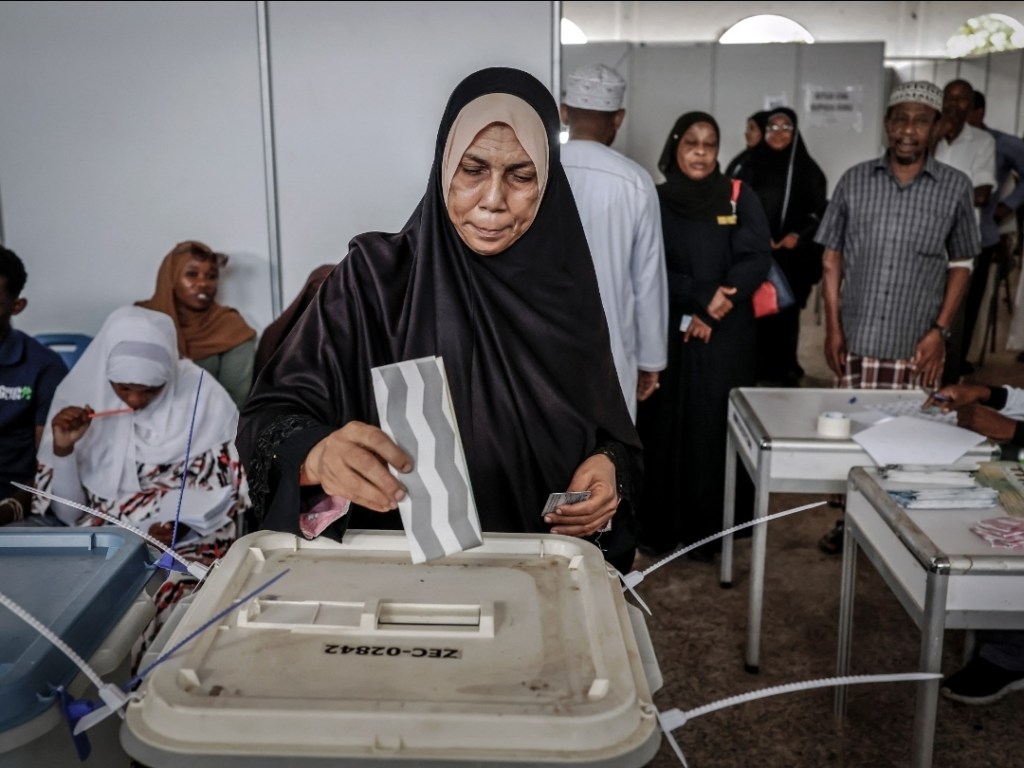
Tanzania’s Oct. 29 general election descended into unrest as protests erupted in the commercial capital, prompting security forces to deploy the military and a citywide curfew to restore order. Officials also reported widespread internet disruption on election day, hindering communication and social media access across the country.
Voting proceeded amid accusations that the vote was skewed in favour of President Samia Suluhu Hassan and the ruling Chama Cha Mapinduzi party after key opposition figures were jailed or barred from standing. The detention of prominent opposition leader Tundu Lissu, who faces treason charges after calling for election reforms, and the disqualification of other challengers fuelled public anger and calls for international scrutiny.
Human rights groups warned that a sustained campaign of repression had created a climate of fear before polling, citing arrests of activists, restrictions on the media and intimidation of civil society. Amnesty International and other monitors said the measures undermined a free and fair contest and depressed voter turnout, especially among younger Tanzanians.
State authorities defended their actions as necessary to maintain stability and said the electoral commission was following legal procedures. Early reports from some polling stations, including in Zanzibar, flagged irregularities during early ballots and complaints from opposition parties about access and transparency.
Preliminary results were expected within 24 hours, with official tallies to follow, but the atmosphere of forceful security responses and disrupted communications raised fresh concerns about the legitimacy of any outcome. International observers called for calm, independent verification of results and immediate restoration of internet services to ensure transparency.
Zanzibar update: The semi-autonomous archipelago of Zanzibar — which holds its own vote for a president and regional lawmakers alongside the mainland ballot — also experienced tension. Voting began early for government and security officials, triggering complaints by the opposition about impersonation of staff, blocked party observers, and possible ballot irregularities.
Security forces were visibly deployed in Zanzibar as in the mainland, and multiple reports noted that internet and mobile access was degraded across the island during polling.
While the Zanzibar regional vote tends to lean in favour of the CCM and its allied local party, the current election saw increased anxiety among residents who view the union vote as also deciding Zanzibar’s political autonomy. With the opposition largely sidelined or hampered, many local voters expressed apathy or fear.
Observers say the Zanzibar vote is likely to mirror the mainland result: a dominant win by the ruling party amid minimal viable challenge — adding to the perception that the process is more managed than competitive.
— Reporting from news agencies; compiled for MSIMULIZI Community News
Msimulizi is now on the Whattsup Channel. Click here
Msimulizi Community News uses artificial intelligence (AI) tools to assist with research, information gathering, infographic and illustrative images, and editing/polishing of some articles. Our journalists and editors remain responsible for the final content, verification and editorial decisions.
Discover more from Msimulizi Community News
Subscribe to get the latest posts sent to your email.

You must be logged in to post a comment.