
By KHALID MAGRAM
Despite hopes of resisting U.S.-style polarization, voters sideline third parties as Parliament consolidates power under Liberals and Conservatives.
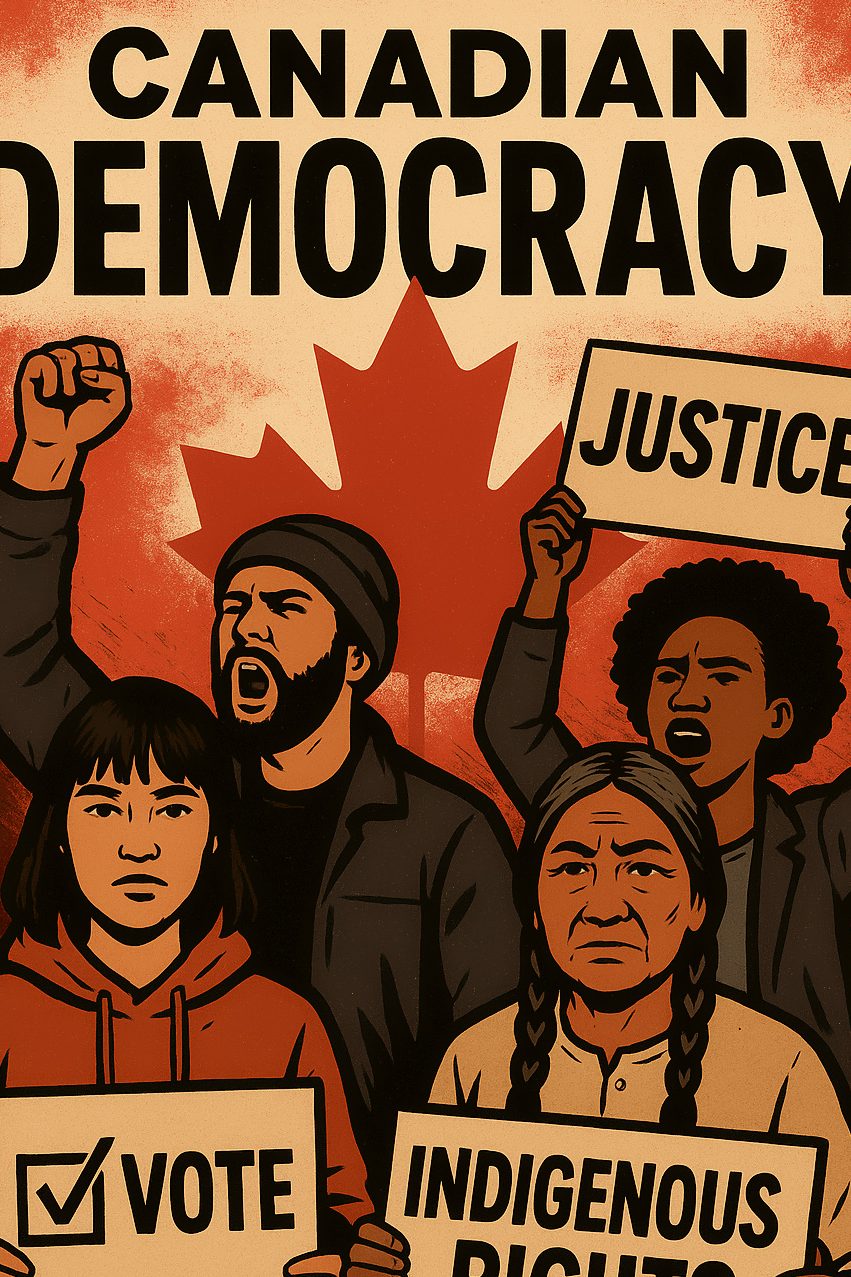
In a result few anticipated, Canada’s recent federal election has left political analysts and voters alike questioning whether the nation is inching toward a two-party system—mirroring the very structure many Canadians have long sought to avoid.
The election was seen by many as a chance to counter rising concerns over Canada’s political independence and to signal a rejection of the divisive politics associated with U.S. President Donald Trump. It was also an opportunity to reaffirm Canada’s ability to negotiate on its own terms, especially in light of ongoing trade tensions and sovereignty debates.
Instead, the new Parliament bears striking similarities to the United States Congress, with political power now overwhelmingly concentrated in the hands of the two dominant parties: the Liberals and the Conservatives.
The most dramatic casualty of the night was the New Democratic Party (NDP). Once seen as a vital third force in Canadian politics, the NDP was pushed to the political margins. Leader Jagmeet Singh lost his seat, despite a strong legislative record that included expanding access to dental care, diabetes treatment, and contraception for millions of Canadians.
The Bloc Québécois also lost ground, and the Green Party was reduced to a single seat held by longtime MP Elizabeth May—cementing the decline of smaller parties in a political environment increasingly shaped by binary choices.
The result has raised concerns among political observers about the long-term health of Canadian democracy. “What we’re witnessing is a shift away from pluralism,” said one political analyst. “With fewer voices in Parliament, the diversity of perspectives that once defined Canadian politics is at risk.”
Only time will tell whether this election marks a temporary shift or the beginning of a deeper transformation in Canada’s political landscape. For now, many are left wondering if the country’s commitment to multiparty democracy is starting to erode—at a moment when democratic models around the world are already under strain.
Msimulizi is now on the Whattsup Channel. Click here
Msimulizi Community News uses artificial intelligence (AI) tools to assist with research, information gathering, infographic and illustrative images, and editing/polishing of some articles. Our journalists and editors remain responsible for the final content, verification and editorial decisions.
Discover more from Msimulizi Community News
Subscribe to get the latest posts sent to your email.




You must be logged in to post a comment.